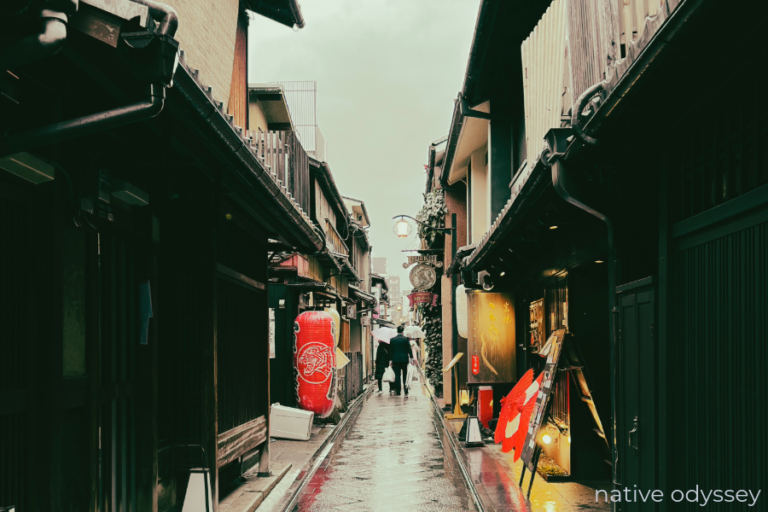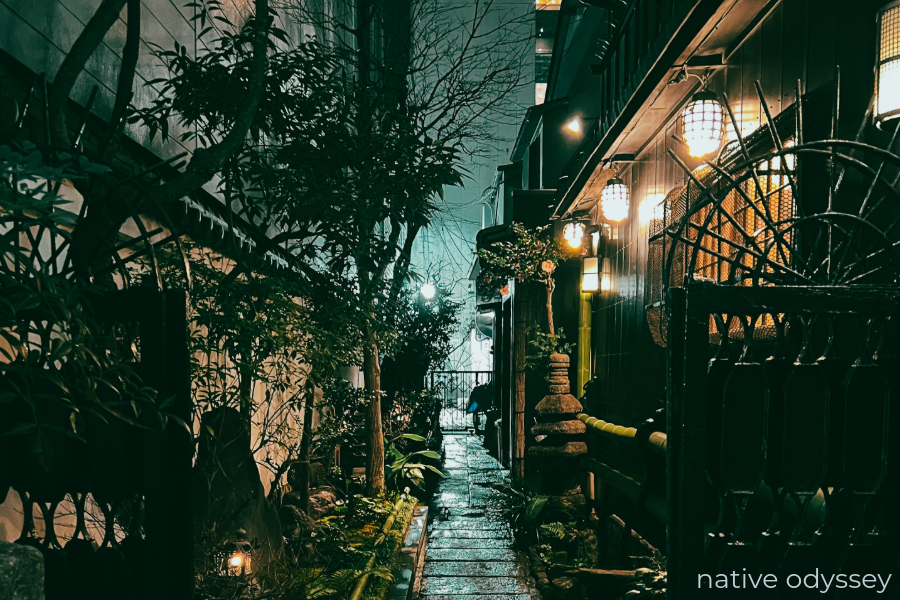
I didn’t know it had a name.
I’d seen the term before, but I didn’t really understand what it meant — not until recently. And honestly, when I did figure it out, my first feeling wasn’t excitement. It was relief. Because for a long time I’d felt a little bad about not wanting to rush around and see everything. Like I was doing it wrong somehow.
But I suppose this is just how I’ve always traveled, when left to my own way of doing things.
It started with one line
Sometime around 2000, I was planning my first real trip to Europe — not my first time abroad, but the first time going as an adult, with friends rather than family. I came across something Rick Steves had said: travel to a place like you’re going to be back.
That line stuck. It still sits just right with me.
I don’t think I fully understood it then. But somewhere in the back of my mind it was shaping how I moved through places, even when I was too young or too unaware of my own preferences to act on it consistently.
What it actually looks like
It’s not a checklist. It’s more of a feeling.
I do save a lot of places I want to visit — I like having options, I like knowing what’s out there. And I’ll go somewhere if it feels like the right fit. But if I pass something mid-trip and think I have to go here — I will. Even if that means changing plans or adding a week I hadn’t planned for.
I remember being at the Albanian seaside and knowing, after a week, that I needed more time to clear my head. So I took another week and went somewhere else. I always felt free, clear and at peace there. Sounds silly, but it’s true.
When I was younger I traveled with all kinds of people — friends, friends of friends, occasional acquaintances. I was more open to it then, and I also didn’t have strong boundaries yet, or the real awareness that it was okay to travel with people who move like you do.
About seventeen years ago I wanted to move abroad. So I took two solo trips, two summers in a row, to figure out if I could actually do it. And I could. When I eventually moved, I traveled sometimes with friends or family visiting from home — but more often I went on my own. And over time, most of the time became all of the time.
Why food, cafés and sitting still matter
I’ve always loved Anthony Bourdain. A few food-focused creators online too — people who treat eating somewhere as the actual point, not a break between activities.
I get that. Food is one of the best ways into a culture. But it’s also just — an excuse to sit somewhere and take everything in.
I love finding a café or a restaurant and just being there. Watching people go by outside, watching the staff work, watching other customers. I’m not uncomfortable sitting somewhere on my own. I love it. There’s a kind of observation that only happens when you’re still, and when you’re not performing being somewhere for anyone else.
What travel is actually for
When I travel, it’s usually to work through something. Not always something heavy — sometimes it’s just the need to leave my normal day-to-day and find a kind of pure relaxation. I see the big picture outside of my normal life. Things get clearer when I’m somewhere else.
I also just love the freedom of doing whatever I want. No one else’s schedule. No compromise on pace.
That’s part of why even a short trip counts. Last summer I only had enough money for one night in London — I’d already done a lot of traveling that year — but Stephen Wilson Jr was playing and I love him. I went. It might have been the best show I’ve seen in years. I’ve gone to London for Pearl Jam, Death Cab for Cutie, a handful of others over the years. That feeling of being there for something that matters to you — it’s worth it, even when it’s brief.
Trusting yourself and going anyway
Slow travel has a way of breaking down things you’ve been told.
I think about Mexico City. People say a lot of negative things about it. I went on my own and I felt safe — cautious and careful, as I always am, but safe. Oaxaca too. And what I found in both places was that the fear people project onto a destination is often more about their own frame of reference than actual risk.
I’m fairly feelings-based when I travel. If something feels off in my gut, I listen. That instinct has served me well. And part of developing it was going anyway — deciding that other people’s hesitation wasn’t mine to carry.
You don't have to be social to do this
I’m not someone who travels looking to meet new people. I try to keep to myself. If I know someone in a city, I’ll meet up. If someone wants to talk, I’ll talk. But I’m not going to a hostel or a co-working space or a bar to network. That’s just not what I’m there for.
I don’t mind my own company. More than that — being on my own and having space to process is genuinely refuelling for me.
I think it’s worth saying clearly: just like it’s okay to travel to connect and meet people, it’s also completely okay to travel not looking for company. To go somewhere just to be alone with your thoughts, do what you want, move at your own pace. There’s nothing wrong with that. There’s actually something really right about it.
What slow travel means, practically
If you want to move at a pace that isn’t rushed, that isn’t focused on checking off everything you’re supposed to see — slow travel is probably what you’re looking for.
It means taking time in a place. Getting to know the surroundings. Understanding a little of what the people who actually live there eat, do, spend time on. And enjoying it, slowly.
There are those of us who love traveling that way. Quietly. Without needing to explain it.